
Construction dust management
Monitor dust at construction and urban-transformation sites point by point, a fairer alternative to halting work citywide when air quality worsens.
Target the source, not the whole city
When city-wide air quality worsens, the usual response is to halt construction everywhere. That punishes well-managed sites and leaves the actual sources unidentified.
Point-by-point dust monitoring at construction and urban-transformation sites shows which site is contributing what, so action targets the source: suppression measures on the site that needs them, continued work everywhere else.
- PM10 and TSP thresholds trigger instant alerts to site managers and inspectors.
- Units install in minutes and move with the project as phases progress.
- Continuous records document compliance for permits and neighbour complaints.
The solution we provide
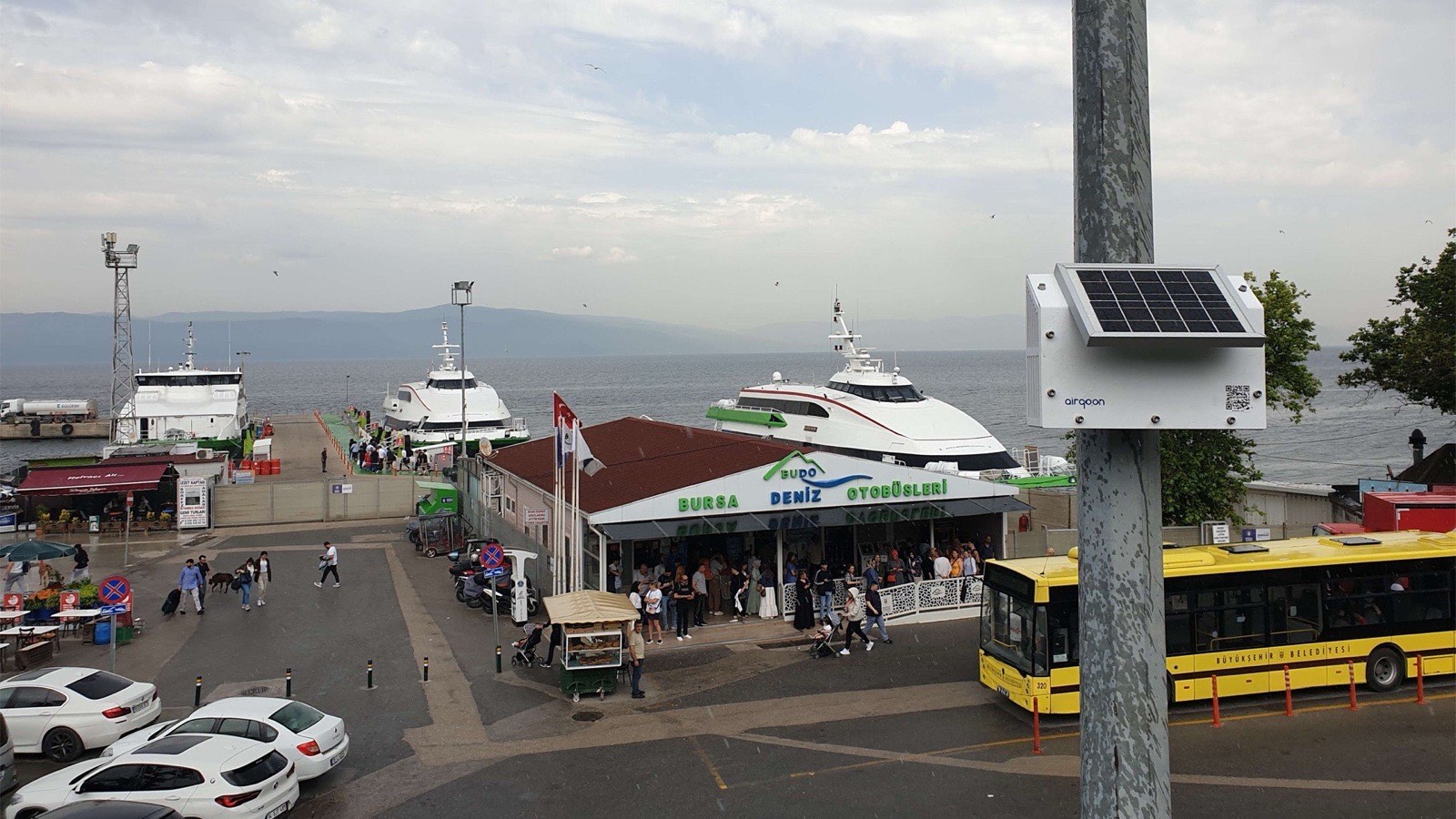
Units are placed at the site boundary and the nearest receptor points, homes and schools downwind. PM10 and TSP thresholds trigger instant alerts to site managers and inspectors, and wind data ties an exceedance to the site, and often to the specific activity, that caused it.
Because the units install in minutes and run on solar power, they move with the project as phases progress, and the continuous record documents compliance for permits and neighbour complaints.
- Unit L at the boundary and nearest receptors
- Anemometer add-on to attribute dust to the right site
- Unit N where construction noise is also regulated
- Airqoon Lens with threshold alerts and compliance records
- Rental model matched to project duration
Heavy-dust operations
Cement plants, quarries and mining operations use the same units and thresholds for haul-road and material-handling dust, the harshest version of this problem.
Emergency deployment
Rapid dust and air monitoring for the Ministry of Environment after the Kahramanmaraş earthquake, deployed where reference infrastructure was damaged.